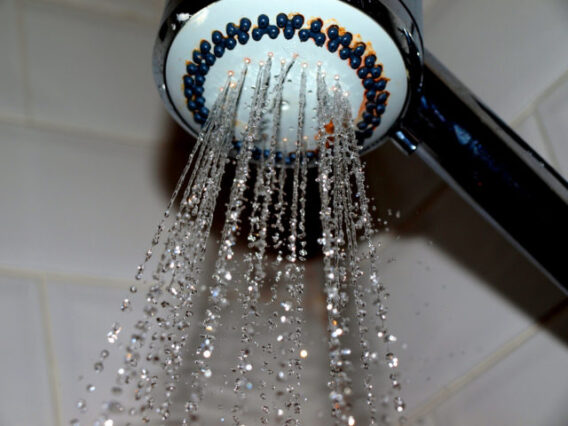
 Let’s face it, most of us want to conserve water when it comes to showerheads, but we don’t want to pay extra for water saving plumbing products in order to do so.
Nor do we want a low flow shower head to give us lackluster water pressure, requiring us to spend longer periods of time in the shower rinsing soap and shampoo off our bodies either.
That would defeat the purpose of water conservation, would it not?!
WaterSense Low Flow Shower Heads
Have you ever stood under a so-called water efficient shower head and found that it didn’t meet your standards for rinsing?
Was the water (seemingly) dribbling out of the shower head?
 Maybe you’ve had the opposite problem where the water was being forced through such a tiny spray former in a poor engineering effort to conserve water that you couldn’t stand under the water spray for any length of time, if you wanted your skin to stay in one piece.
This is where the EPA’s WaterSense program comes into play.
Hopefully, those days have gone the way of VHS cassette tapes.
If you’re shopping for shower heads, the EPA WaterSense label is your assurance that you’ve got a decent plumbing fixture that’s been thoroughly tested and engineered well enough to exceed federal guidelines for low flow showerheads.
If it’s a WaterSense shower head:
- It will conserve enough water to exceed current federal guidelines
- You will have a pleasant shower experience that will thoroughly rinse your body without pummeling you into oblivion with “water needles.” It will still get the job done as well as — or better than — non-EPA certified water hogs.
Let’s take a quick look at the latest and greatest in water-efficient shower heads and the guidelines that they must meet in order to earn the EPA’s WaterSense label.
Guidelines For WaterSense-Certified Showerheads
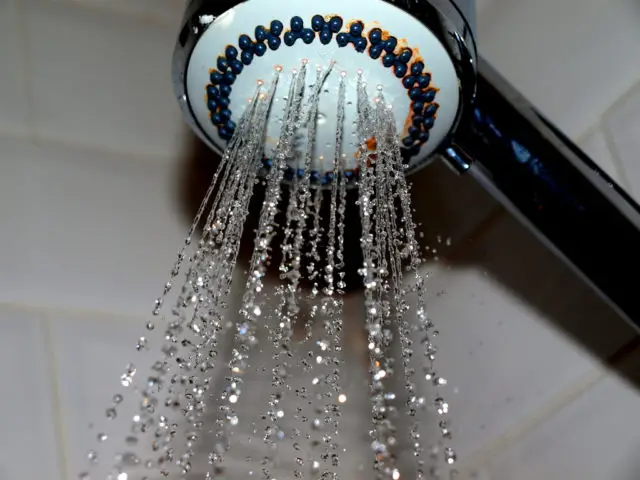 The guidelines for showerhead manufacturers are very strict and somewhat complicated, but all you need to know as a consumer are a couple of criteria to keep things simple (and for your peace of mind):
- WaterSense showerheads must use 2.0 gallons per minute (gpm), or less, in all modes offered. There must not be instructions included for the consumer on how to override or reconfigure the unit to allow it to exceed the specified gpm.
- All showerheads with the WaterSense label must be tested and certified by an approved third-party laboratory to ensure that they meet EPA water efficiency and performance standards.
- Showerhead performance is crucial. The EPA chose to work with stakeholders — including consumers — on the performance and quality of the shower spray. It must give as good, or better, results than conventional showerheads. They have criteria that includes spray patterns, force, diameter of the spray, and much more boring stuff.
All you need to remember is that if it is labeled as a WaterSense-certified product (see the WaterSense image I provided earlier in this post), it should give you a good shower.
Brands Of WaterSense Showerheads
I could list the 200+ models and brands of certified showerhead models, but that list would quickly become outdated in just a few months.
Instead, I’ll offer this link that will be continuously updated with all of the showerhead models that are WaterSense-certified.
Here are some WaterSense shower heads found on Amazon.
Remember, showers gobble up approximately 17% of your indoor water usage. You could conserve quite a bit of water (not to mention big bucks) over time, if you switched out all of your plumbing fixtures to WaterSense certified units.
More About Water Saving Shower Heads
- How Much Money (And Water) Can You Really Save?
- Calculate Your Household Water Savings
- Water Saving Rebates
- Comparing 17 Low Flow Shower Heads
- Low Flow Showerheads FAQ
- WaterSense Toilets
- Consumer Reports’ Showerhead Buying Guide

I started as a home-stalker… visiting brand new homes under construction in the neighborhoods near my house. That inspired me to write about home building and home renovation projects — chronicling homes during different phases of construction from a consumer's point-of-view. Basically, the tips you'll find in my articles are a collection of checklists for what I think should (and should not) go into building or remodeling a quality home.