 With new home construction consuming over 40 percent of all wood used in the United States [Source], finger jointed lumber is an excellent way of making use of what would normally be considered scrap lumber. Even for the average homeowner finger jointed lumber provides an opportunity to specify a green building product requires no special considerations for design or budget.
What Is Finger Jointed Lumber?
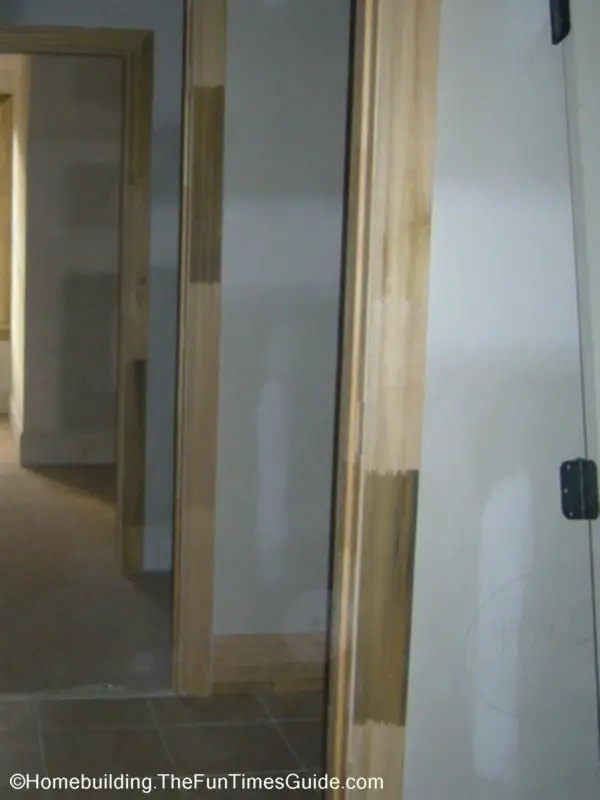
Finger jointed lumber is created when scrap lumber is milled with finger joints on each end and glued together to create standard sizes. Although it is mostly used for vertical applications, finger jointed lumber is an excellent replacement material for the standard studs found within most walls [Source].
The building code recognizes finger-jointed lumber as interchangeable in vertical use applications as long as it is the same size as its full wood components. Regulations also require that the adhesive used in finger jointed lumber is heat resistant and is marked with a HRA for multiple family or commercial residences.
Yes…You Can Use Finger-Jointed Lumber Just Like Whole Lumber
Finger jointed lumber can also be used in trusses, wall panels, and engineered beams. Although you may be inclined to think that finger-jointed lumber would be significantly less strong than whole lumber in tension, it actually loses only about 10 percent of the tensile strength of whole lumber. It also reacts and fails similarly to whole lumber, making it easy for architects and engineers to specify without special considerations.
Advantages of Finger-Jointed Lumber
Further advantages of finger-jointed lumber is the reduced chance of warping due to the shorter lengths of pieces used. This is a significant advantage and reduces on the site waste by construction crews.
Of course the greatest advantage to finger jointed lumber are the environmental implications of being able to use too short pieces of lumber. By being able to use these small pieces of lumber, not only are the amount of trees needed to build a home reduced, but also the chance that part of that tree will end up in a landfill is also diminished.
Soy-Derived Adhesives Keeps It Green
One concern about finger-jointed lumber is the toxicity of the adhesive involved. Although some companies do use adhesives that cannot be considered environmentally friendly, soy derived adhesives have also been adopted by many manufacturers.
Even More Finger Jointed Lumber Attributes
Unlike many other green products, the cost of finger jointed lumber is comparable to the same size whole lumber products. Therefore homeowners can request that finger jointed lumber be used to make alterations to their homes without any additional cost to the project.
Resources: