| 0 | 8 Comments
| More

Randy

Great Reasons To Install A Whole House Surge Protector

The value of whole house surge protectors is immeasurable. via_Now_Toronto.jpg

Nearby lightning strikes, large equipment cycling on and off at nearby factories, downed power lines and even powering up or down your larger appliances in your own home are all sources of power surges.

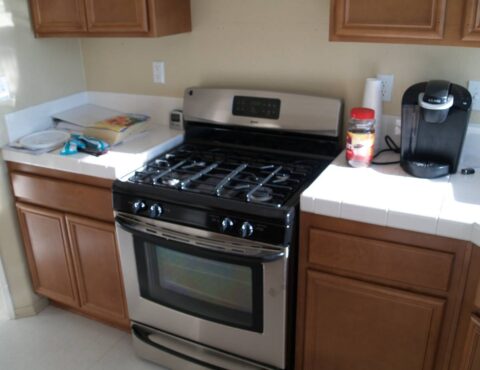
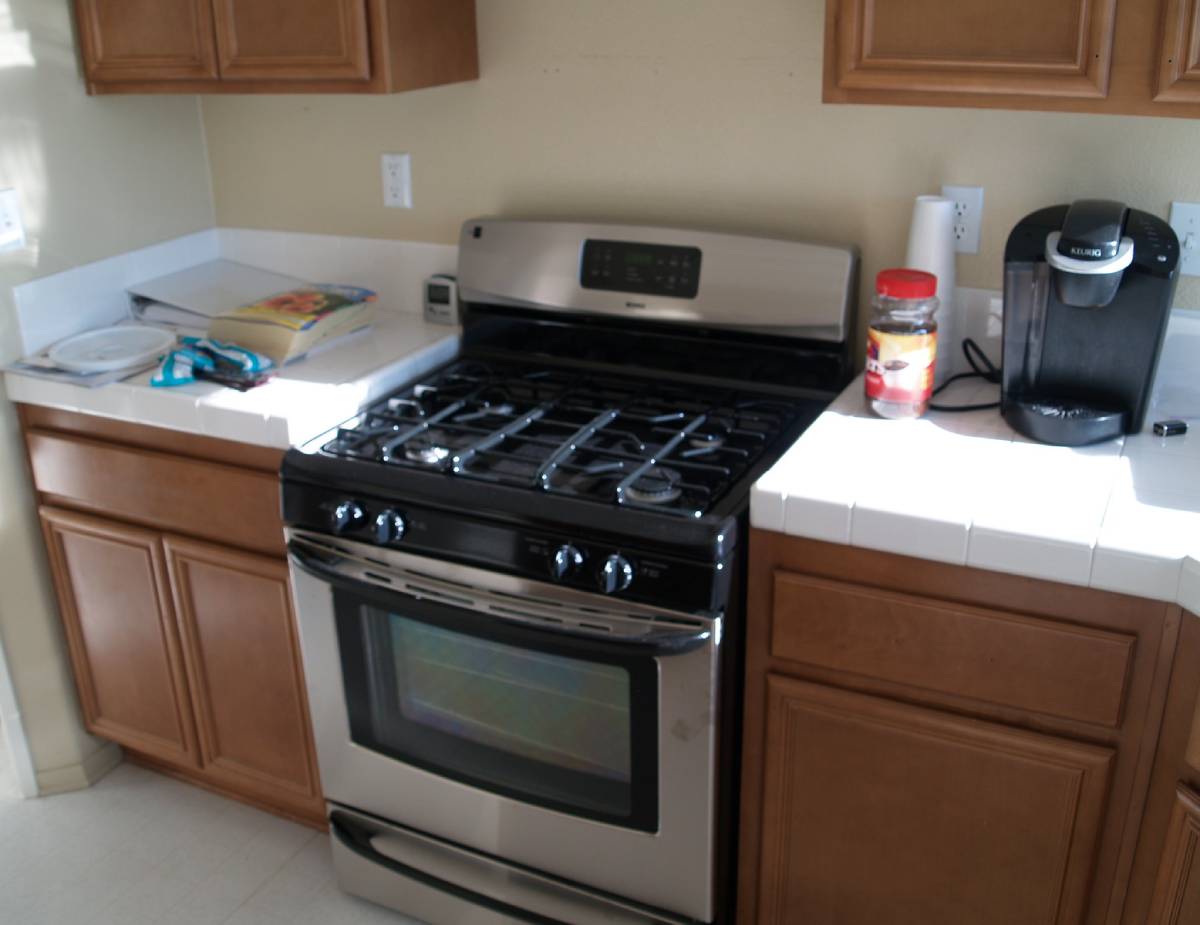
I had a whole-house surge suppressor professionally installed in my home less than a year ago while the electrician was on-site preparing the wiring and breakers for my natural gas range to be installed.

I am convinced it was a very good investment. Here are a few reasons why...

Most of today's modern appliances have microprocessors and our house is certainly no exception. Here are the following major items I felt needed protection from surges and nearby lightning strikes:

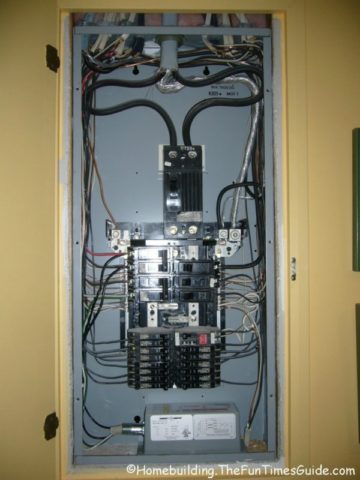
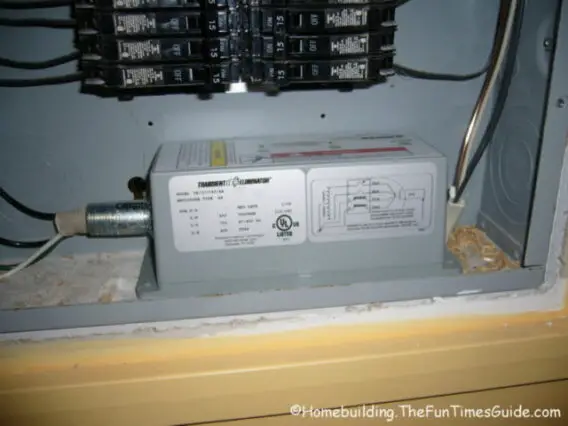
our_electric_circuit_panel_box.JPG

  • computers

  • monitors

  • printer/fax

  • televisions

  • new gas range

  • new washer

  • new dryer

  • new HVAC system

Now if you figure the cost of repair or, most likely, replacement of any one of those items and it will probably far exceed the $208 I spent on the installment of the surge protector that comes with a lifetime warranty backed by Mr. Electric. The unit I had installed, the Surgeassure TE1C40, is known as a "main zone protector" or "load center protection" and is warranted to protect motor-driven appliances in residential and light commercial applications against electrical power surge damage, including lightning, from entering through the main electrical service panel. It is also warranted to protect against surge for major household electrical and electronic equipment for 10 years when installed by a qualified electrician.

Surgeassure_whole_house_surge_protector.JPG

Here are the features and benefits from the makers of the surge arrester (Advanced Protection Technologies, Inc.) I had installed in the circuit breaker panel box:

  • UL listed surge protection

  • Rated for single phase panels up to 400 amps

  • Installation flexibility

  • Audible alarm

  • Internal diagnostics

  • Ground status monitoring

  • 10 year product warranty

  • 10 year $100,000 connected equipment warranty
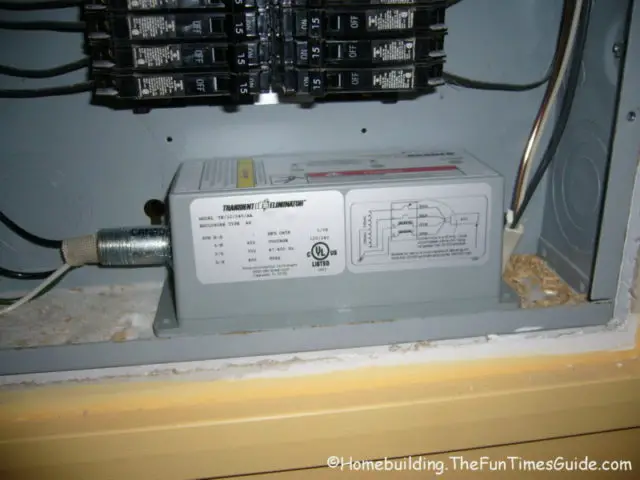
Photo at top via Now Magazine-Toronto.

Related Links

How to Choose Surge Protection for Your Home

General Household Electrical Safety Guidelines: AFCI's (arc fault circuit interrupters), GFCI's (ground fault circuit interrupters) and more.


8 Comments

AndyNYC

No problem. It's funny, because this is the only picture on internet showing this device. That's why I made the comment. I received my protection device and I noticed there were no instructions on how to connect this correctly, so I started searching and I found your stuff.

Your stuff will work. No question, it's just not done using best practices. The problem with others doing anything is they calculate everything in terms of time and money. Not in terms of quality.

Also, electricity is theory in some cases and not everything is hard fact, so you can get away with lots of stuff.

AndyNYC...

I would never have attempted to do what you are describing because, in my opinion, it was beyond my skill level. A professional was my only option and I felt comfortable hiring them. I would advise anyone else to do the same thing I did.

Pretty funny what you said about rebuilding America after the "professionals". I don't mean to offend but I seem to get all manner of advise on what people read on my blog. Quality comments are always appreciated.

Thanks

AndyNYC

Next time due it yourself with some good research. Putting 2 wires in 1 whole is asking for fire. This is not up to any code and it looks wrong right away. I know a "professinal" did that to you, only they do jobs like that.

The correct installation is to buy a double pole breaker, connecting those wires to the breaker and putting that breaker right next to the main entrance (top).

Also, do not let anybody install those thin double action breakers. They overheat. Those two wires (top right) connected together to the neutral bus are also wrong.

And as far as my qualifications go, I'm rebuilding America after "professionals". Not everything is based on qualifications in this world (look China).


aaa...

What are your qualifications? I hired a professional, certified electrician that works for a well-known, reputable company here in Atlanta, so I'm betting that he knows what he is doing.

Thanks for the tip regarding grounds and neutrals.

aaa

Your connection is wrong. Is it me or you are double fitting wires into breakers and wholes. That is wrong.
Also as a tip, keep all grounds on one side and neutrals on the other.

Radiorara...

You've provided lots of great insight regarding whole house surge protectors. I have no way of knowing if what you mention in your comments is accurate since I'm not an electrician. But it sounds like you know what you're talking about.

About the location of the surge protector in the panel...

It was hooked up in series (I think) with my dryer so that if it does its' intended job and is wasted (the surge protector), I'll know it. It was done that way because it was out of sight but we'd know if something happened because we use the dryer most often and it wouldn't work if the circuit was interrupted. Anyway...not sure if that's exactly how it went since it was awhile back. It was hooked up by a certified electrician with many years of experience working with at least 2 separate major electrical service companies.

Thanks for your comments.

Radiorara

Oh and another thing, mounting a tvss/spd inside of a load center such as dipicted here defeats the purpose of models that have indicator lights as nobody would leave the covers off of the panels. Either mount it so its visible or get an external mount model or internal mount model that is designed to be mounted vertically in the panel box so as to be seen.

Radiorara

This is a decent spd but there are many different models and types with varying degrees of protection. Most of these are sacrificial and would need to be replaced when they fail. Some of the higher end Leviton and Cutler Hammer units have replaceable modules and those modules can be replaced even when the system is hot plus these offer higher surge/joule ratings and emi/rfi filtering. Always look at specs and dont be fooled by coverage warranty dollar amount. A warranty on the functionality of the unit is important as the one mentioned in this post (SurgeAssure) has a 10 year warranty and they will replace it for free if it fails during that time. I hope they honor that commitment.

It is confusing and frustrating at times trying to find information about all the products out there and the differences in installation, the technology itself and price. Also note that some are wired in series with the load and some parallel. There are always pros and cons to everything so due your due diligence and ask around even consulting a master electrician. Proper grounding at your residence is the most important thing so make sure that is in order first. Not only at your utility meter but at the street if you have above ground service. Do not neglect Satellite and Cable (RG-6) (RG-59) grounding as well as telephone and network protection for a complete blanket of worry free bliss.

Lastly do not forget that surge protection devices mounted at the panel are not a cure all. They are a great investment and do a wonderful job but still allow let through voltage. Look into Zero Surge or the brick surge products from those two companies or anything point of use for computers, electronics that isn't sacrificial. You would still need these with Battery Backup UPS's because they do not offer complete protection but you can combine products for the total package. Good Luck.

Leave a comment

Signing in is easy! Especially if you use OpenID or one of these networks:

Movable Type OpenID Vox TypePad Yahoo AIM Facebook WordPress.com
what will you say?

(You may use HTML tags for style)

Recent Comments